
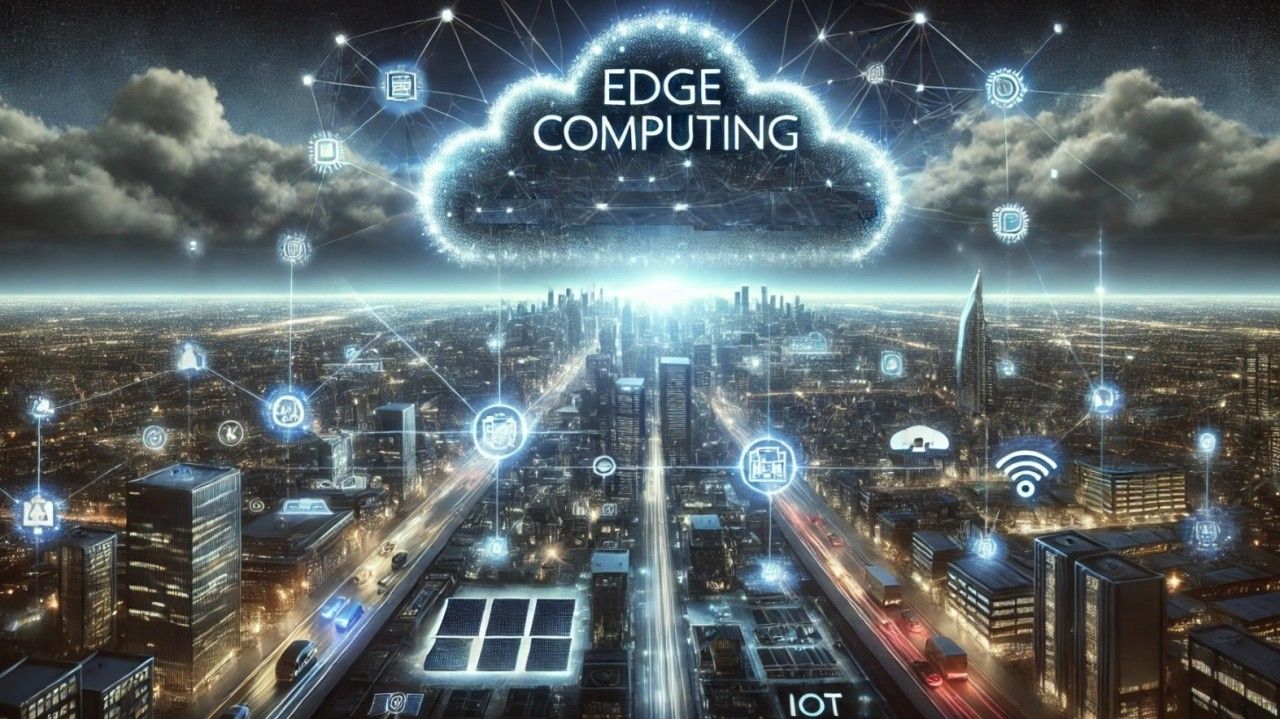
In an era dominated by data and connectivity, the way we process and manage information is evolving rapidly. Traditional cloud computing models, while effective, are increasingly being supplemented—and in some cases replaced—by edge computing. This paradigm shift is transforming industries, enabling faster decision-making, reducing latency, and improving overall efficiency.
As we move further into the digital age, edge computing is set to revolutionize how businesses operate and how consumers interact with technology. But what exactly is edge computing, and why is it so critical for the future? More importantly, what new roles and career opportunities will arise as a result? Let’s explore these questions in depth.
What Is Edge Computing?
What Is Edge Computing?
Edge computing refers to the practice of processing data closer to its source, rather than relying solely on centralized cloud servers. Instead of transmitting data to a remote data center, edge computing allows for computation, data analysis, and AI processing to happen on local devices or near the network’s edge.
Key characteristics of edge computing include:
- Reduced Latency: Since data processing happens closer to the user or device, response times are significantly faster.
- Bandwidth Optimization: By reducing the amount of data sent to centralized servers, network congestion and costs are minimized.
- Enhanced Security: Keeping sensitive data closer to its origin reduces exposure to cyber threats.
- Real-time Processing: Essential for applications requiring immediate insights, such as autonomous vehicles and industrial automation.
How Edge Computing Is Shaping the Future of Technology
How Edge Computing Is Shaping the Future of Technology
Edge computing is more than just a technological trend—it’s a foundational shift that’s enabling smarter, faster, and more secure digital interactions. Here’s how it’s shaping various industries:
1. The Internet of Things (IoT) and Smart Devices
With billions of IoT devices generating data daily, centralized cloud models struggle to handle the volume efficiently. Edge computing allows devices such as smart home assistants, wearables, and industrial sensors to process data locally, improving performance and user experience.
2. Autonomous Vehicles and Smart Transportation
Self-driving cars require instantaneous decision-making based on real-time sensor data. Edge computing enables vehicles to analyze data on-board, reducing reliance on remote servers and ensuring rapid responses to changing road conditions.
3. Healthcare and Remote Patient Monitoring
Edge computing plays a vital role in telemedicine, wearable health monitors, and AI-assisted diagnostics. By processing patient data locally, healthcare providers can deliver faster and more accurate care while maintaining data privacy.
4. Manufacturing and Industrial Automation
Factories and industrial facilities benefit from edge computing by enabling real-time predictive maintenance, quality control, and process optimization. Sensors and AI-driven analytics provide actionable insights without delays.
5. Retail and Personalized Customer Experiences
Retailers are using edge computing to optimize supply chains, enhance customer interactions, and deploy AI-powered chatbots in stores. Localized data processing ensures seamless shopping experiences.
6. 5G and Edge Computing Synergy
The rise of 5G networks is accelerating edge computing adoption. With ultra-fast connectivity, edge devices can process and exchange data more efficiently, enabling applications like AR/VR, real-time gaming, and immersive experiences.
Emerging Roles in Edge Computing
Emerging Roles in Edge Computing
As businesses embrace edge computing, new job roles and career opportunities are emerging. Here are some key positions that will be in demand:
1. Edge Computing Architect
Responsible for designing and implementing edge computing infrastructures, ensuring seamless integration with existing IT environments.
2. IoT and Edge Data Engineer
Focuses on managing and analyzing data from edge devices, optimizing data pipelines, and developing machine learning models for real-time insights.
3. Cloud-Edge Integration Specialist
Bridges the gap between cloud and edge environments, ensuring smooth data flow and security across distributed networks.
4. AI/ML Engineer for Edge Devices
Develops and deploys AI models that run efficiently on edge devices, optimizing algorithms for real-time performance.
5. Cybersecurity Specialist (Edge Computing Focus)
Secures edge networks by implementing robust encryption, authentication protocols, and threat detection mechanisms.
6. 5G and Edge Solutions Engineer
Works on leveraging 5G capabilities for edge computing applications, developing solutions for telecom, enterprise, and consumer applications.
7. Edge Computing Product Manager
Leads the development and strategy of edge computing products, working closely with engineering teams to deliver market-ready solutions.
Edge computing is not just the next big thing—it’s a fundamental shift in how we process and interact with data. As industries continue to adopt this technology, the demand for skilled professionals in edge computing will skyrocket.
For those looking to future-proof their careers, now is the time to gain expertise in edge computing. Whether you’re an IT professional, a data scientist, a cybersecurity expert, or an engineer, the opportunities in this space are vast and growing.
As the world becomes more connected and data-driven, edge computing will be at the forefront of innovation, shaping the future of technology and the workforce alike. The question is—are you ready to be part of this revolution?
At Howard-Sloan Search, we understand the rapid changes in technology and the need for top-tier talent in edge computing and related fields. Our expertise in recruitment allows us to connect organizations with the professionals they need to thrive in this evolving landscape. Whether you're a business looking for skilled talent or a professional seeking opportunities in edge computing, we’re here to help you navigate this exciting future. Let’s shape the next generation of technology together!
Contact Morgan Feldman - President Technology Division at Howard Sloan with any questions regarding Edge Computing and your Information Technology staffing needs - morganf@howardsloan.com